Graphic
Matters
Graphic Matters Project: Protest Poster
Assignment:
"Choose a societal issue that answers the question ‘What do we need to stop with?’ and develop a conceptual protest poster inspired by the visual language of real protest signs. Through research and critical reflection, identify a topic you feel strongly about, explore its context, and translate your findings into an abstract typographic design. The final poster should convey urgency, emotion, and message clarity while maintaining a strong aesthetic identity."
"Choose a societal issue that answers the question ‘What do we need to stop with?’ and develop a conceptual protest poster inspired by the visual language of real protest signs. Through research and critical reflection, identify a topic you feel strongly about, explore its context, and translate your findings into an abstract typographic design. The final poster should convey urgency, emotion, and message clarity while maintaining a strong aesthetic identity."
Tasks for the Project:
- Conducting research into multiple social issues to determine a meaningful topic
- Analyzing real protest visuals for tone, style, and communication strategies
- Developing an abstract typographic poster that communicates the chosen message
- Experimenting with composition, texture, and visual hierarchy to strengthen impact
- Conducting research into multiple social issues to determine a meaningful topic
- Analyzing real protest visuals for tone, style, and communication strategies
- Developing an abstract typographic poster that communicates the chosen message
- Experimenting with composition, texture, and visual hierarchy to strengthen impact
Research & Exploration
This section highlights the initial research phase, focusing on analyzing potential topics and understanding their social context. By exploring target audiences, existing discussions, and visual references from protest culture, a clear direction for the final message was shaped. Moodboards and early typographic experiments supported the development of a strong conceptual foundation.
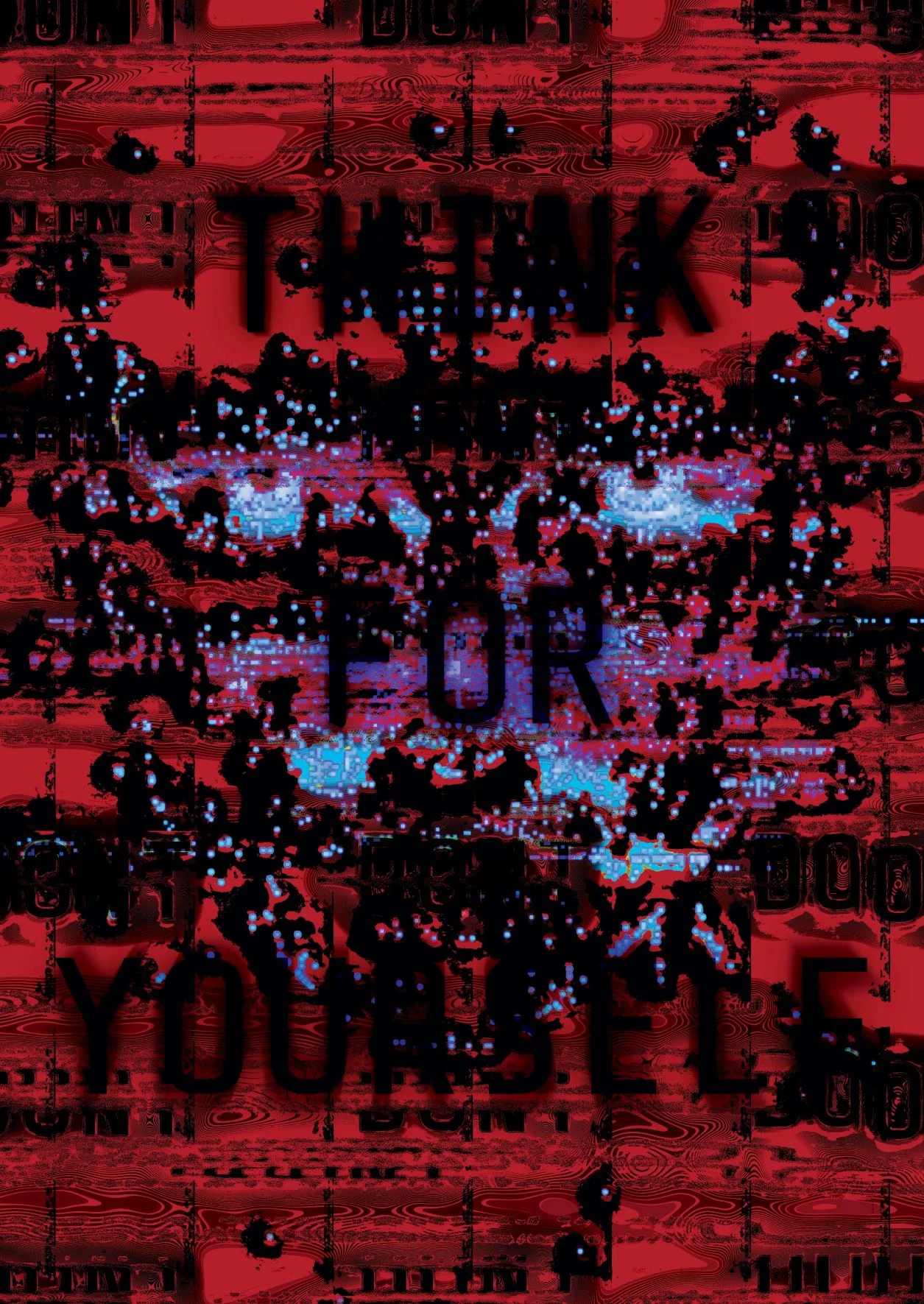
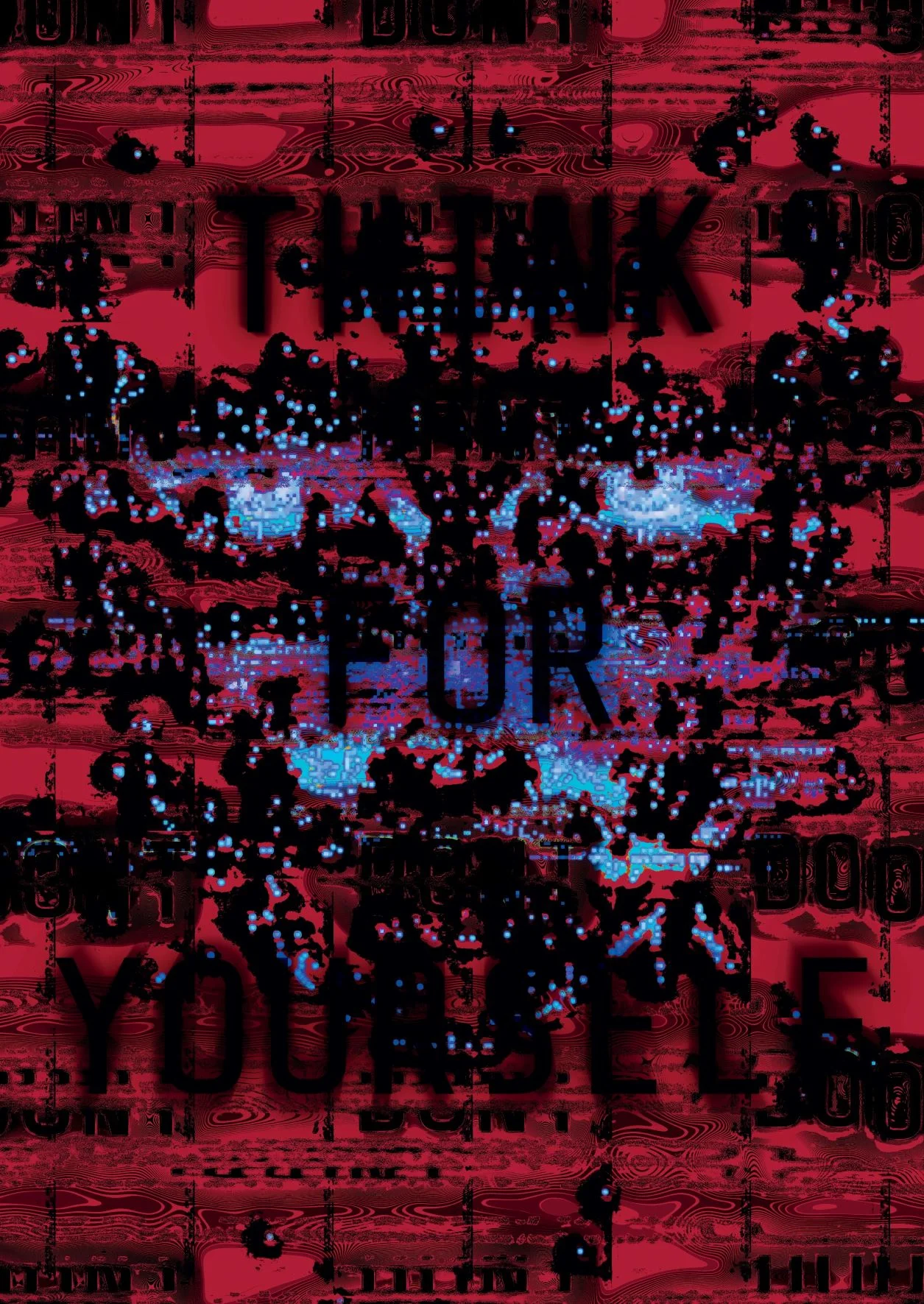
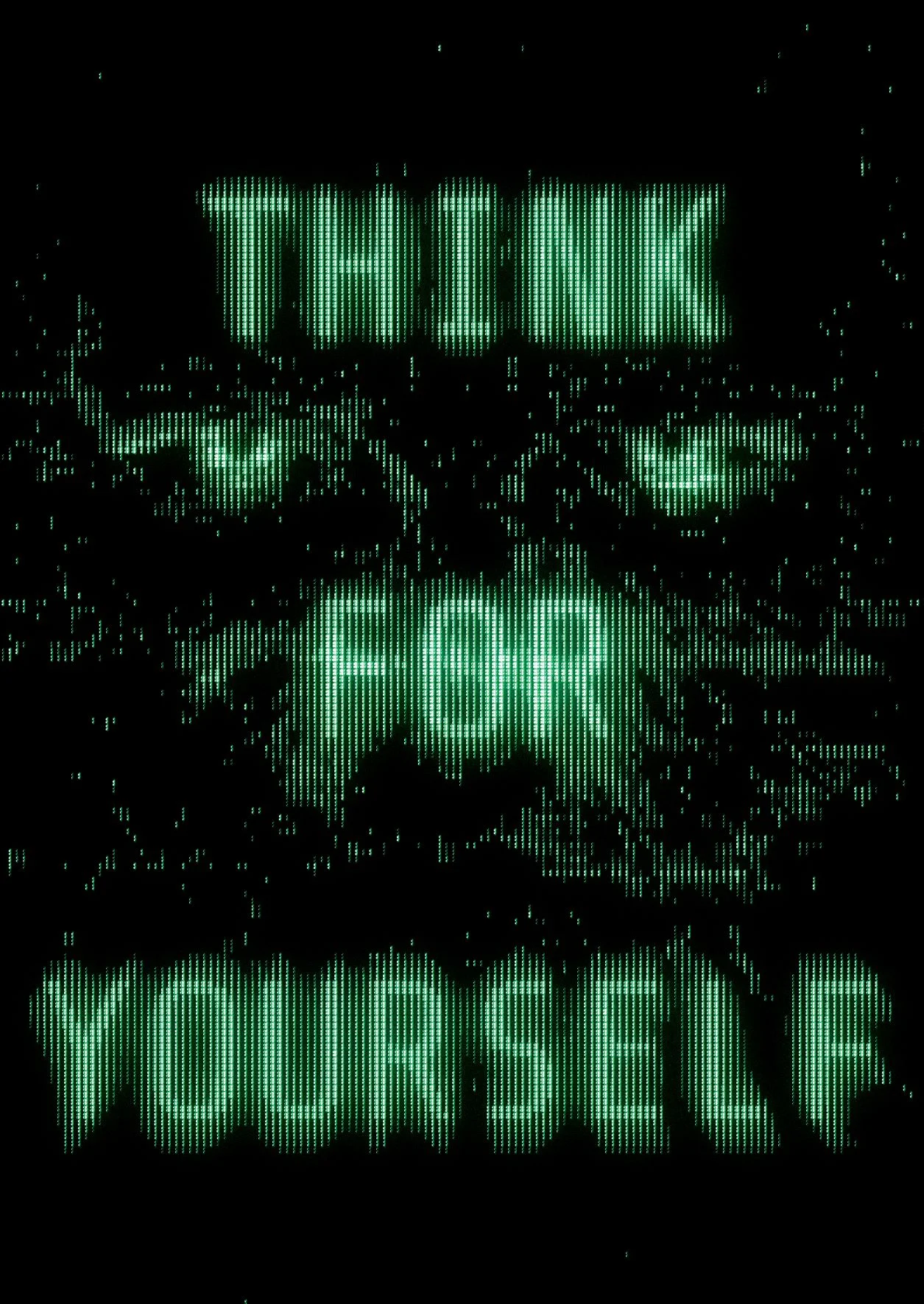
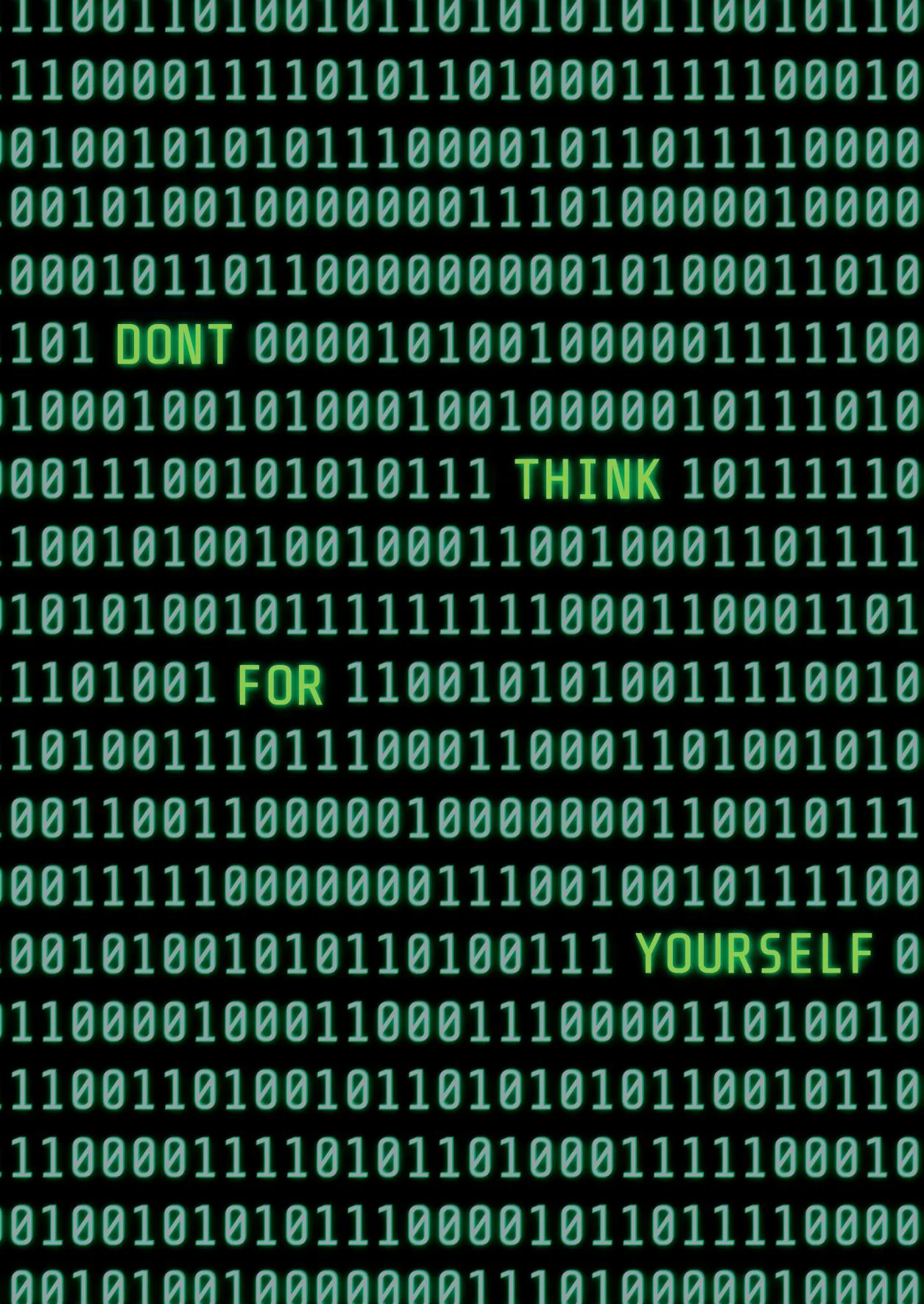
Experimental Phase
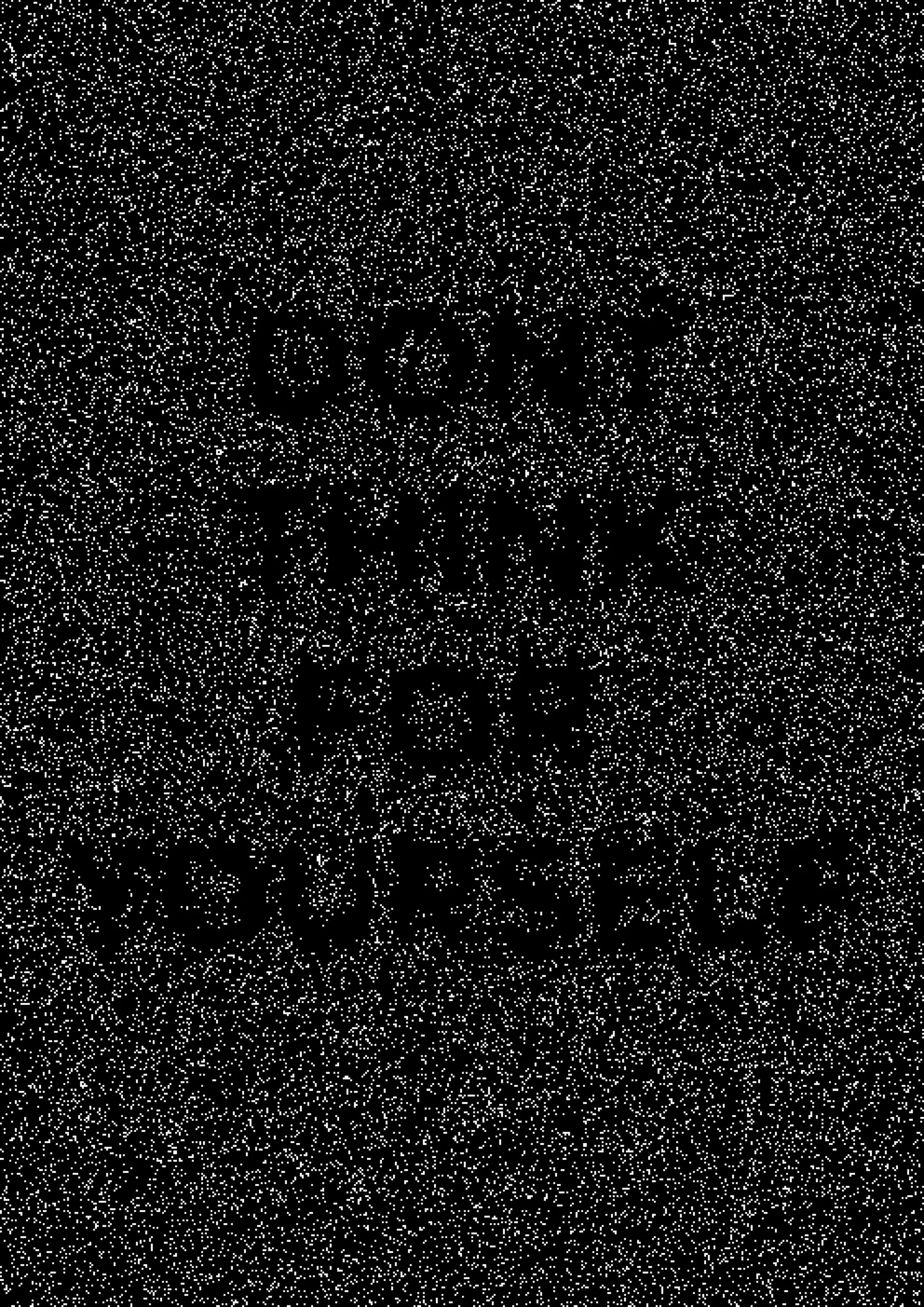
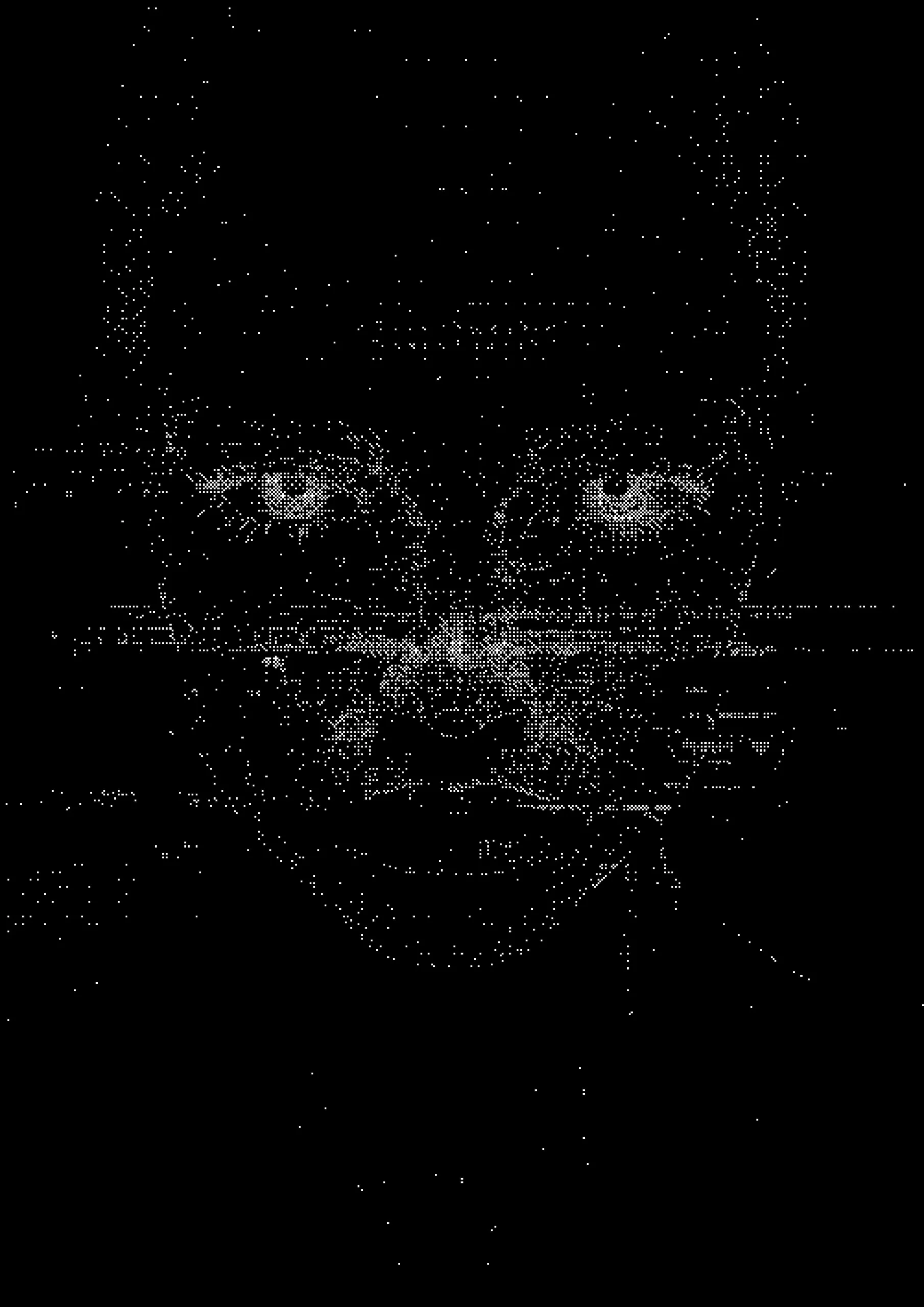
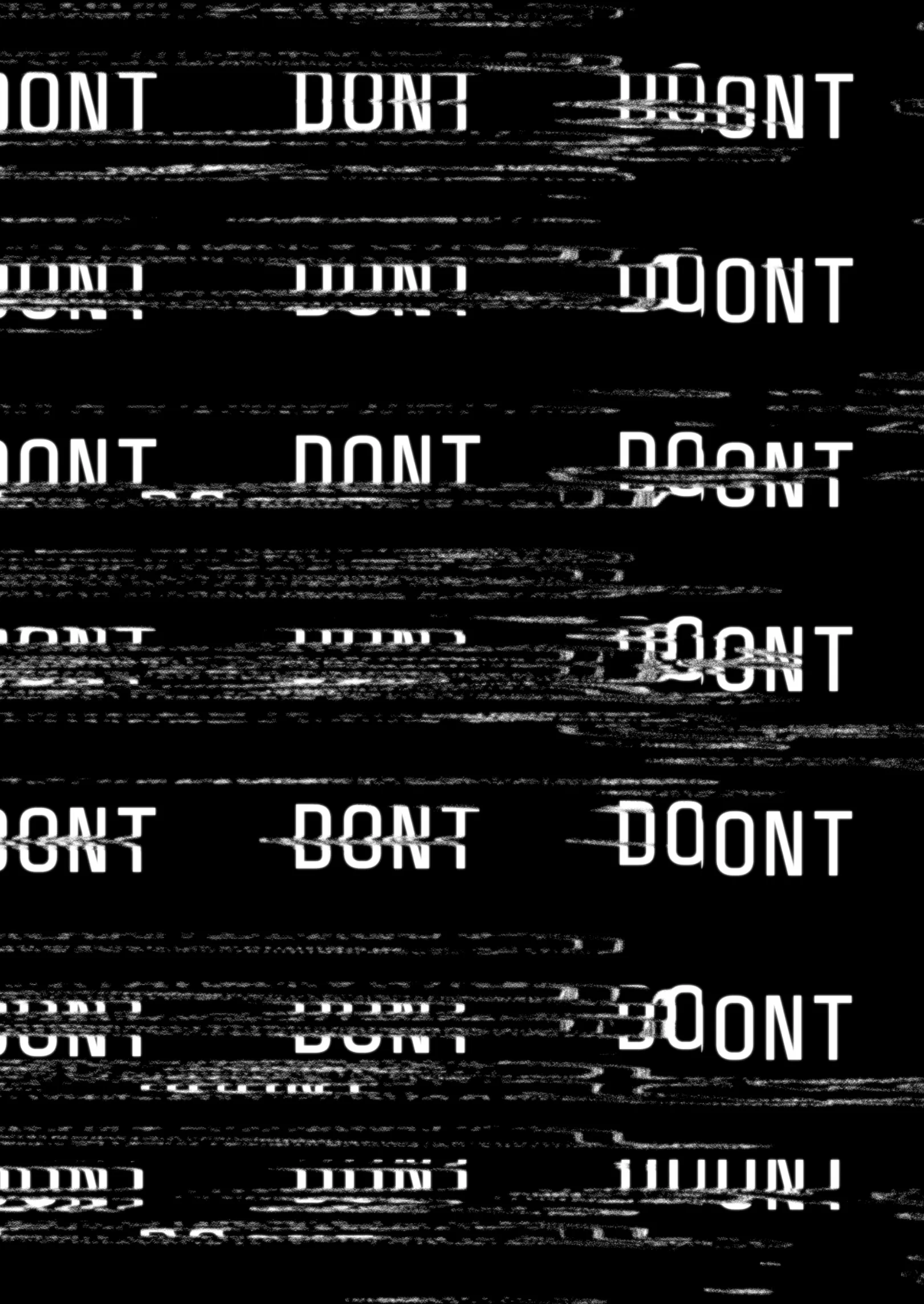
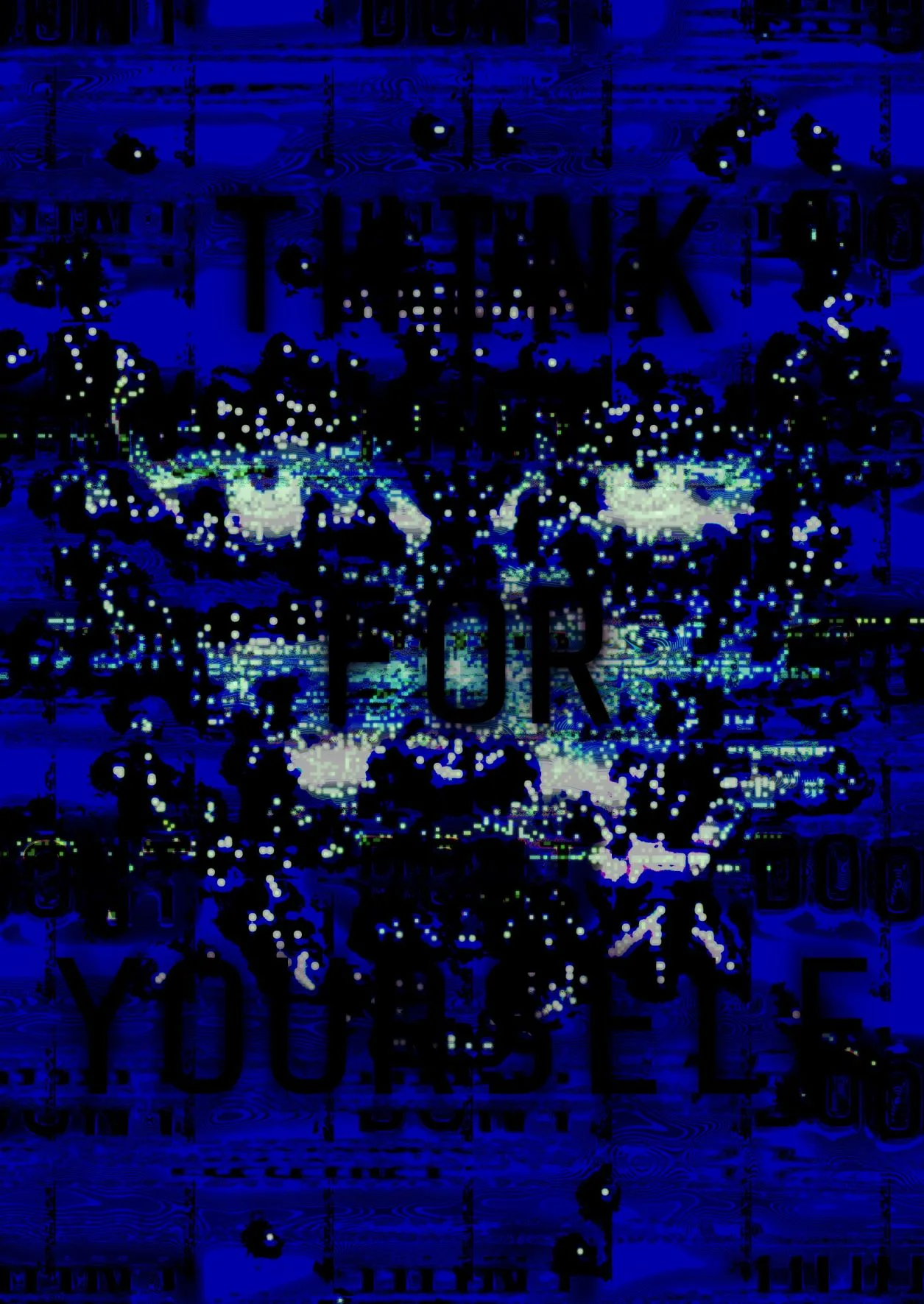
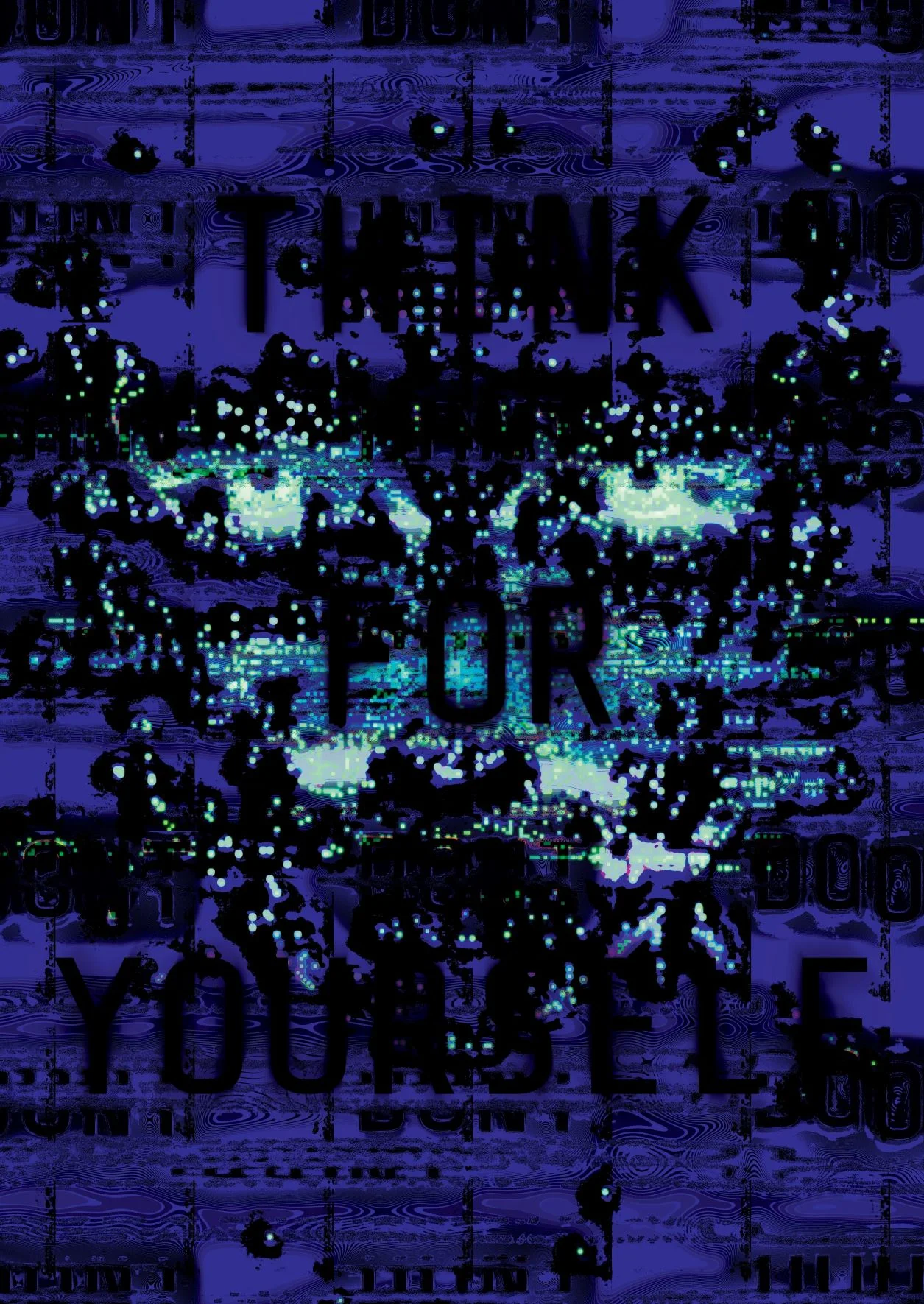
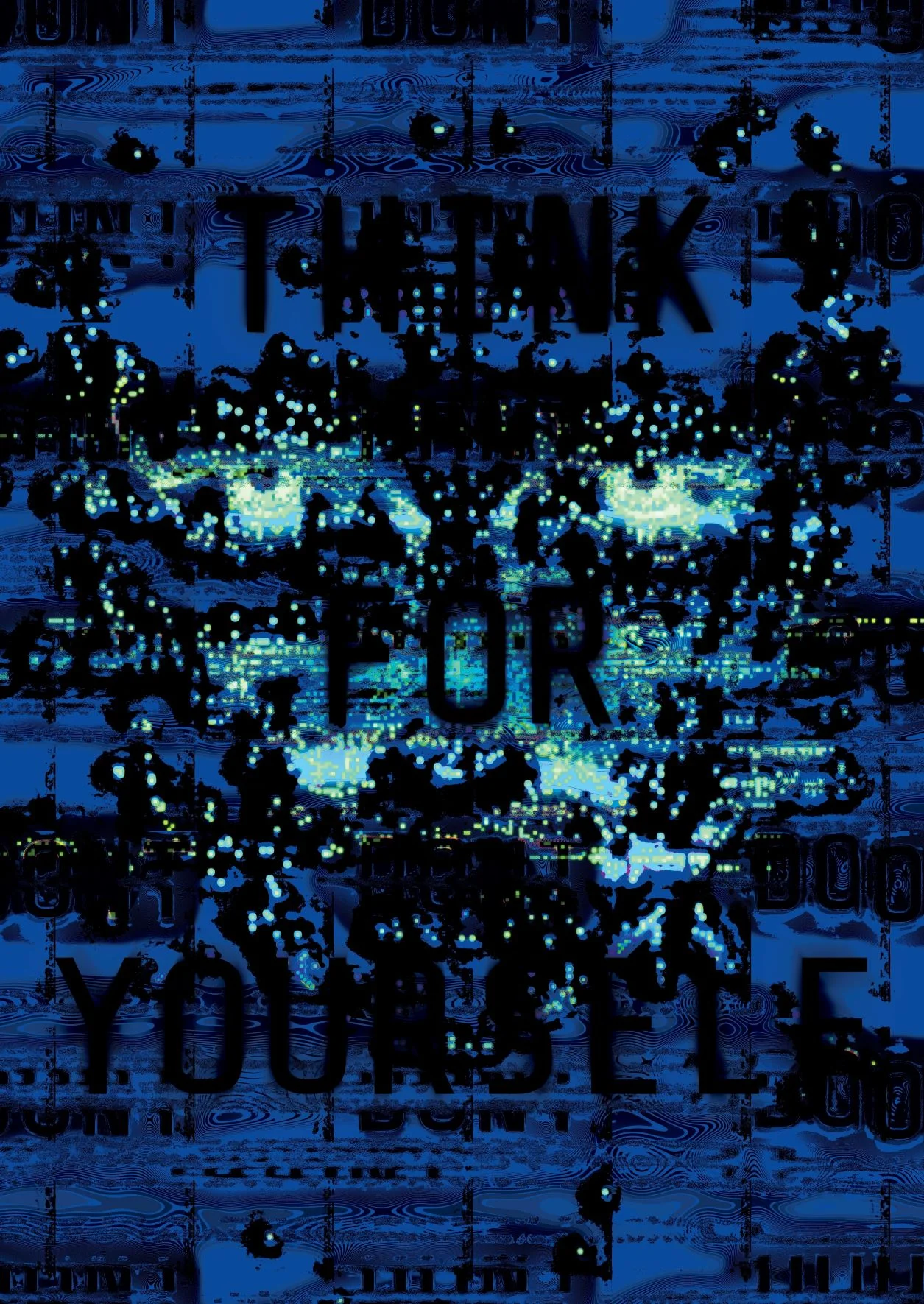
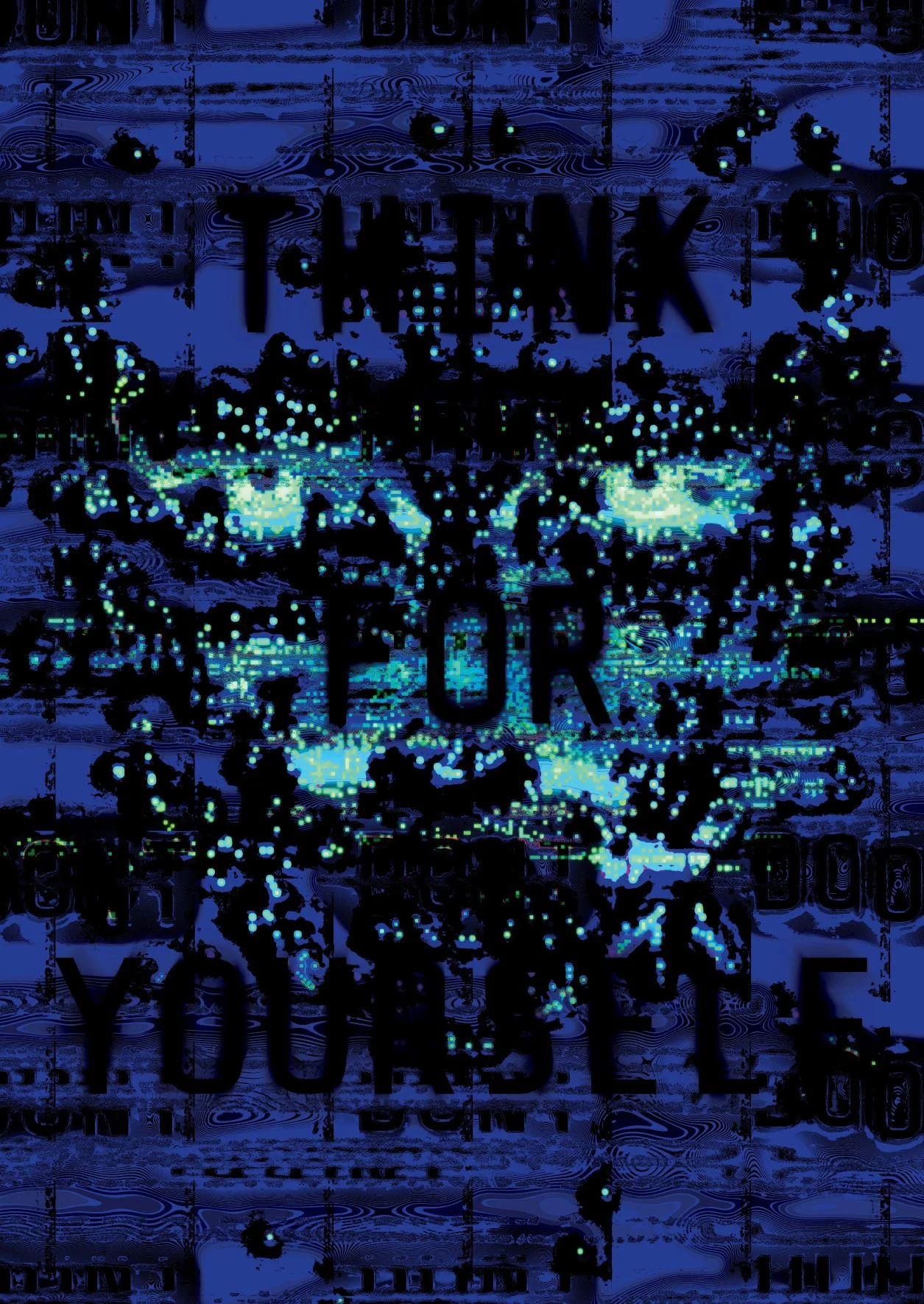
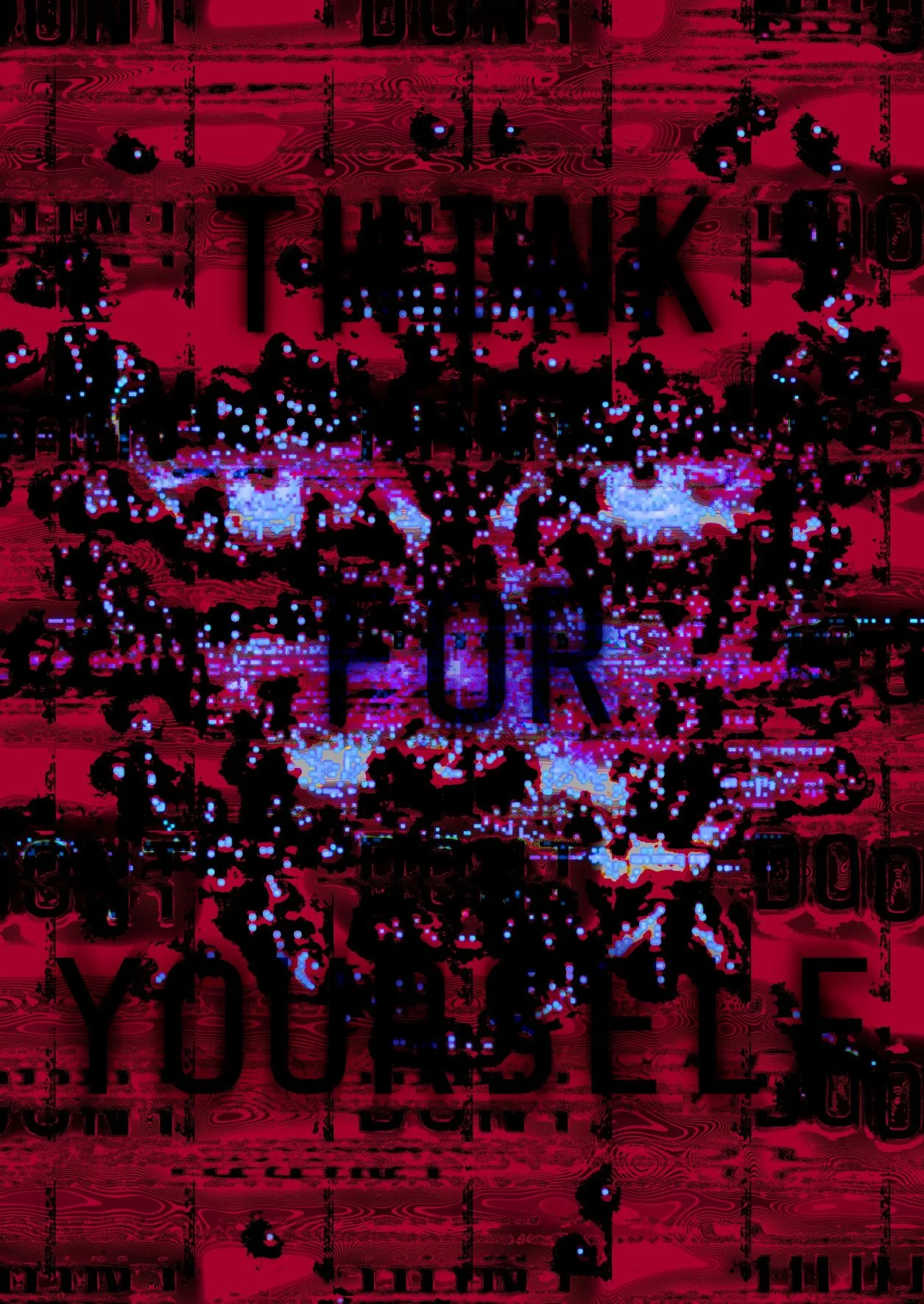
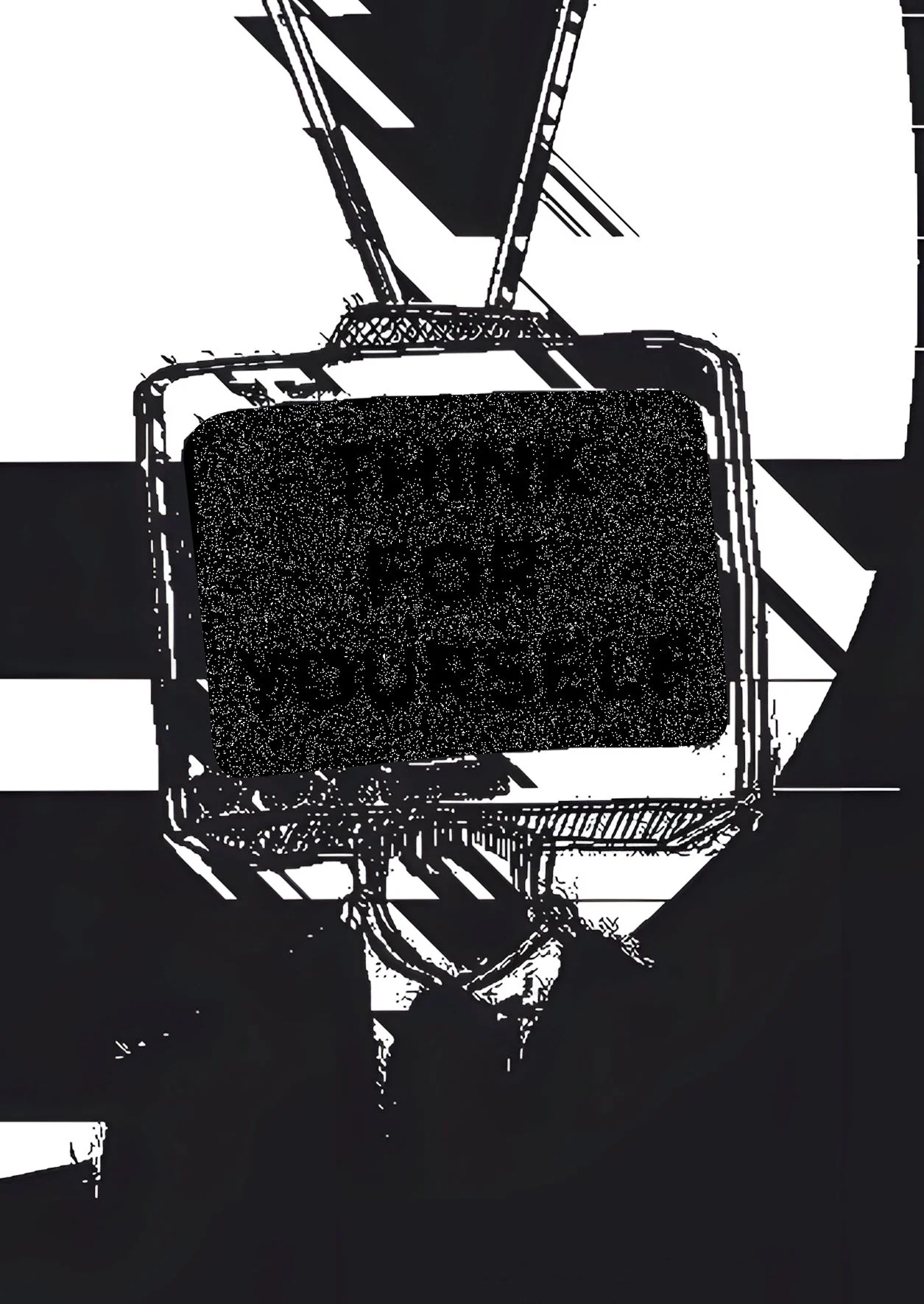
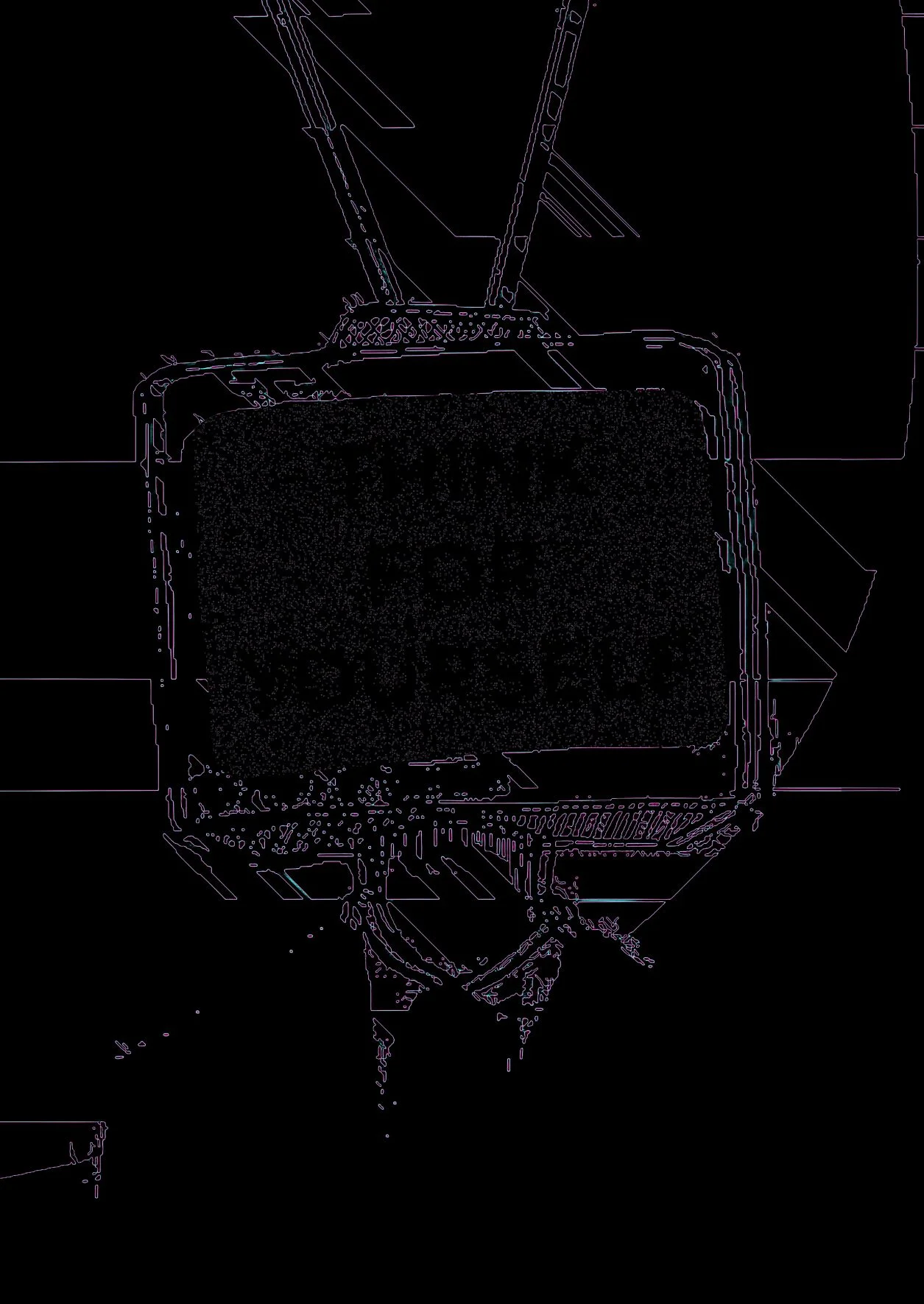
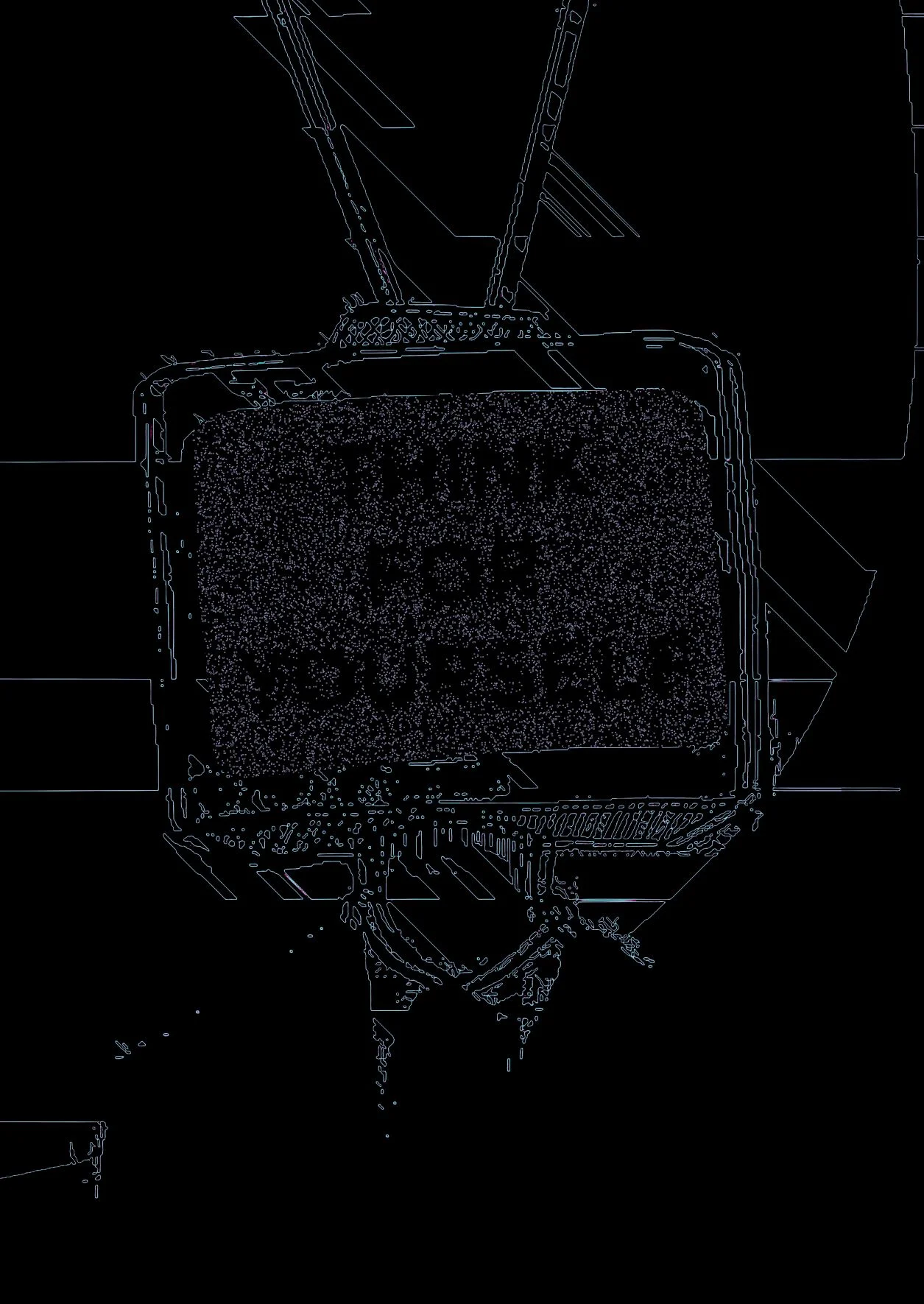
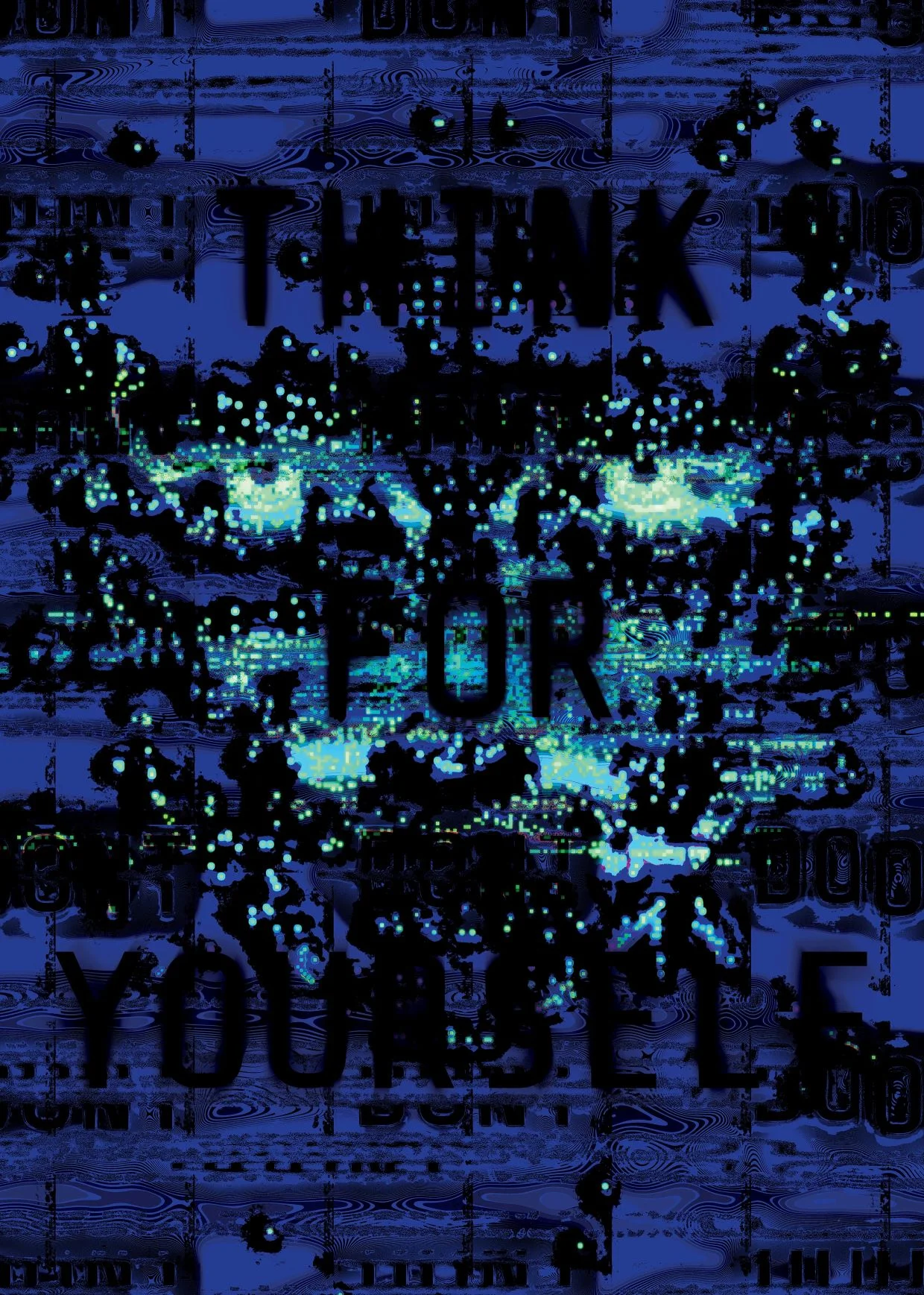
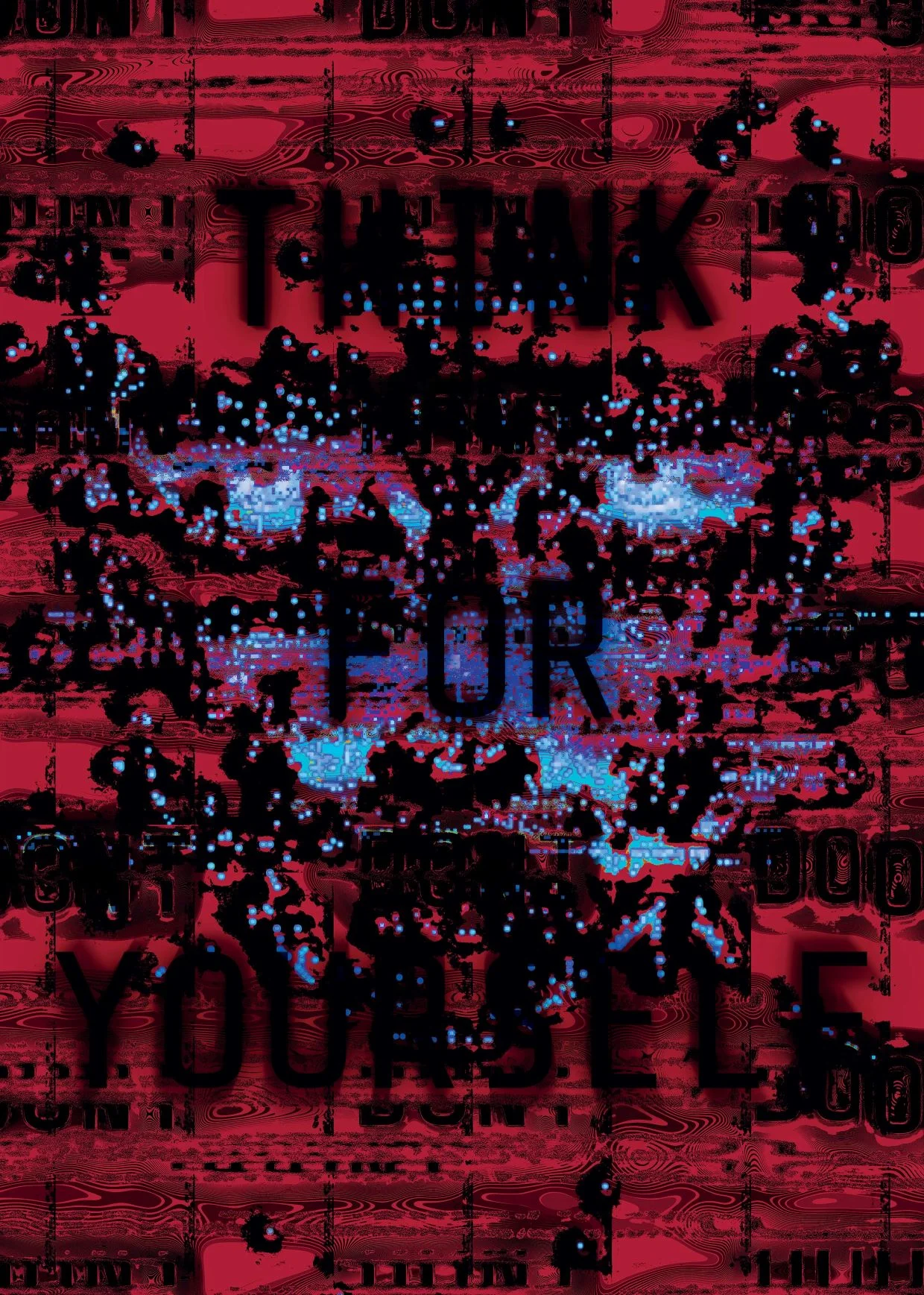
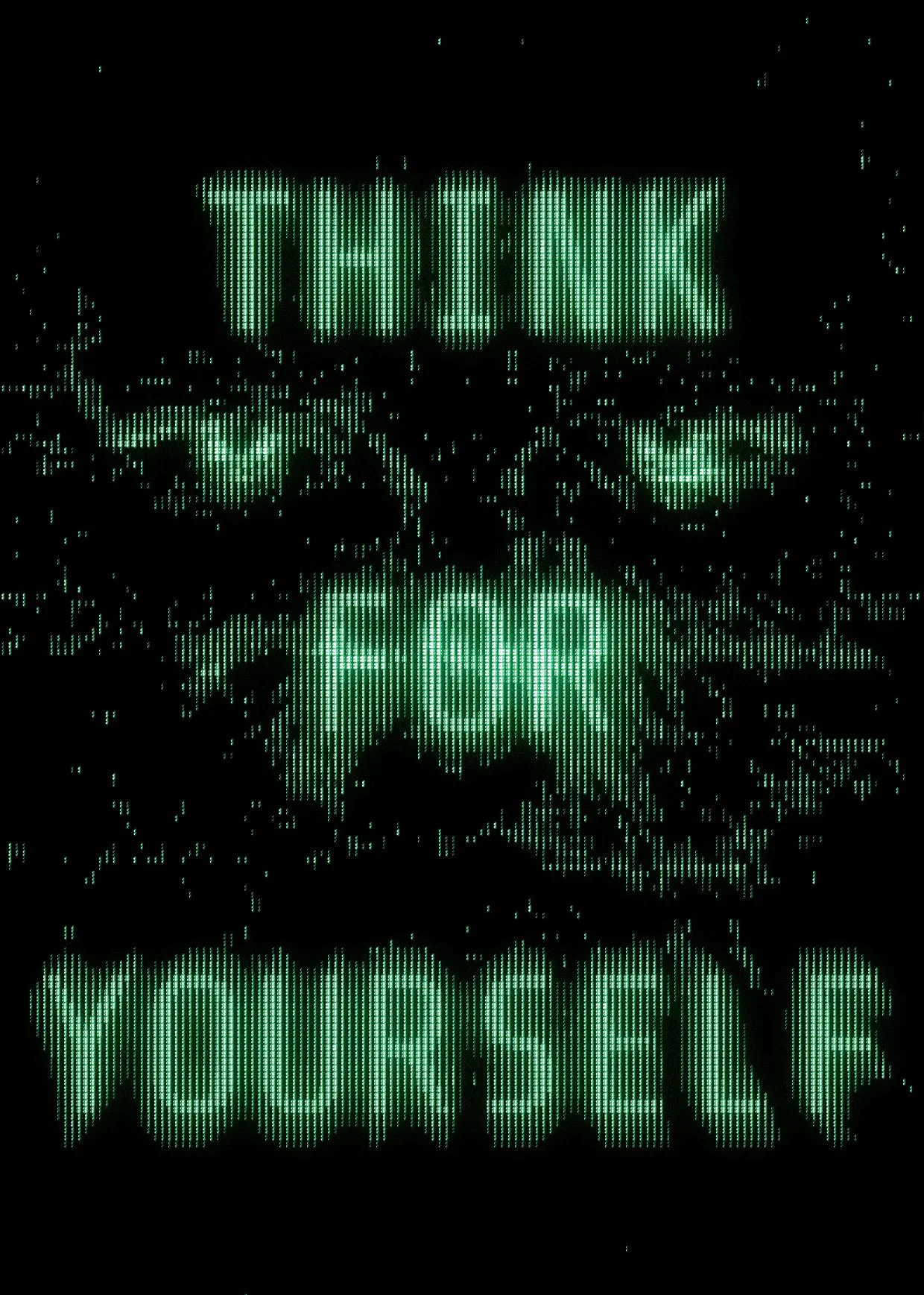
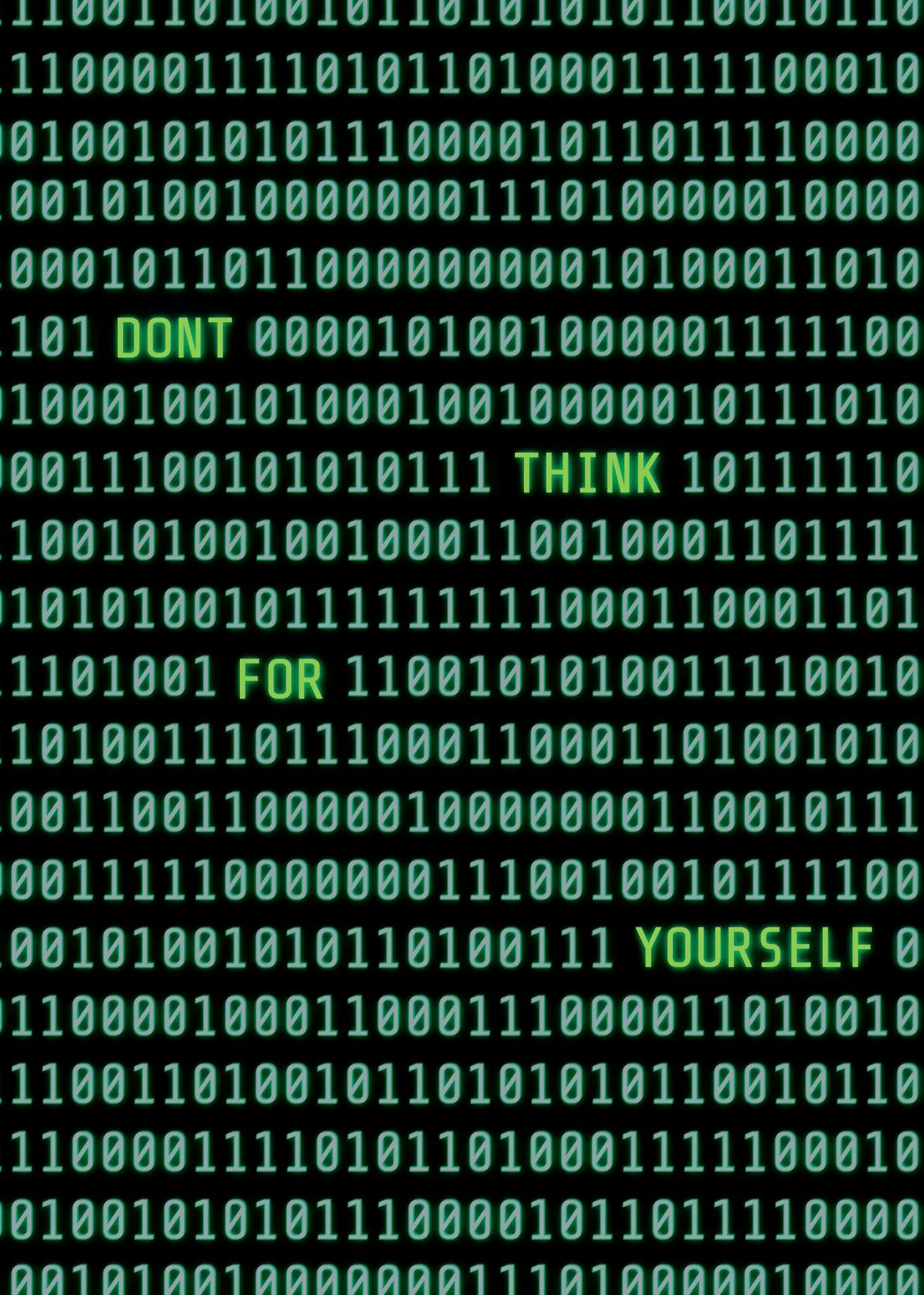
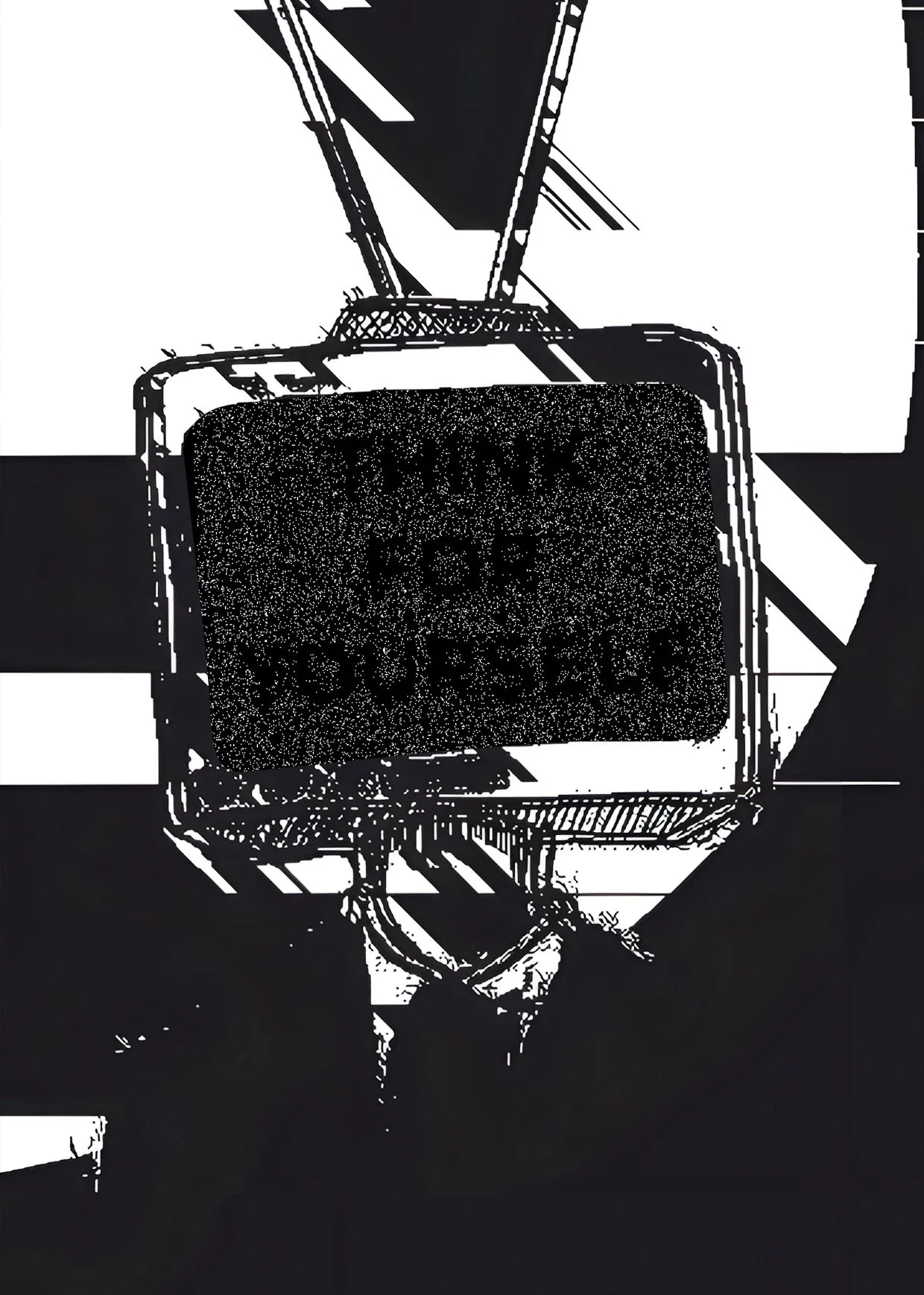
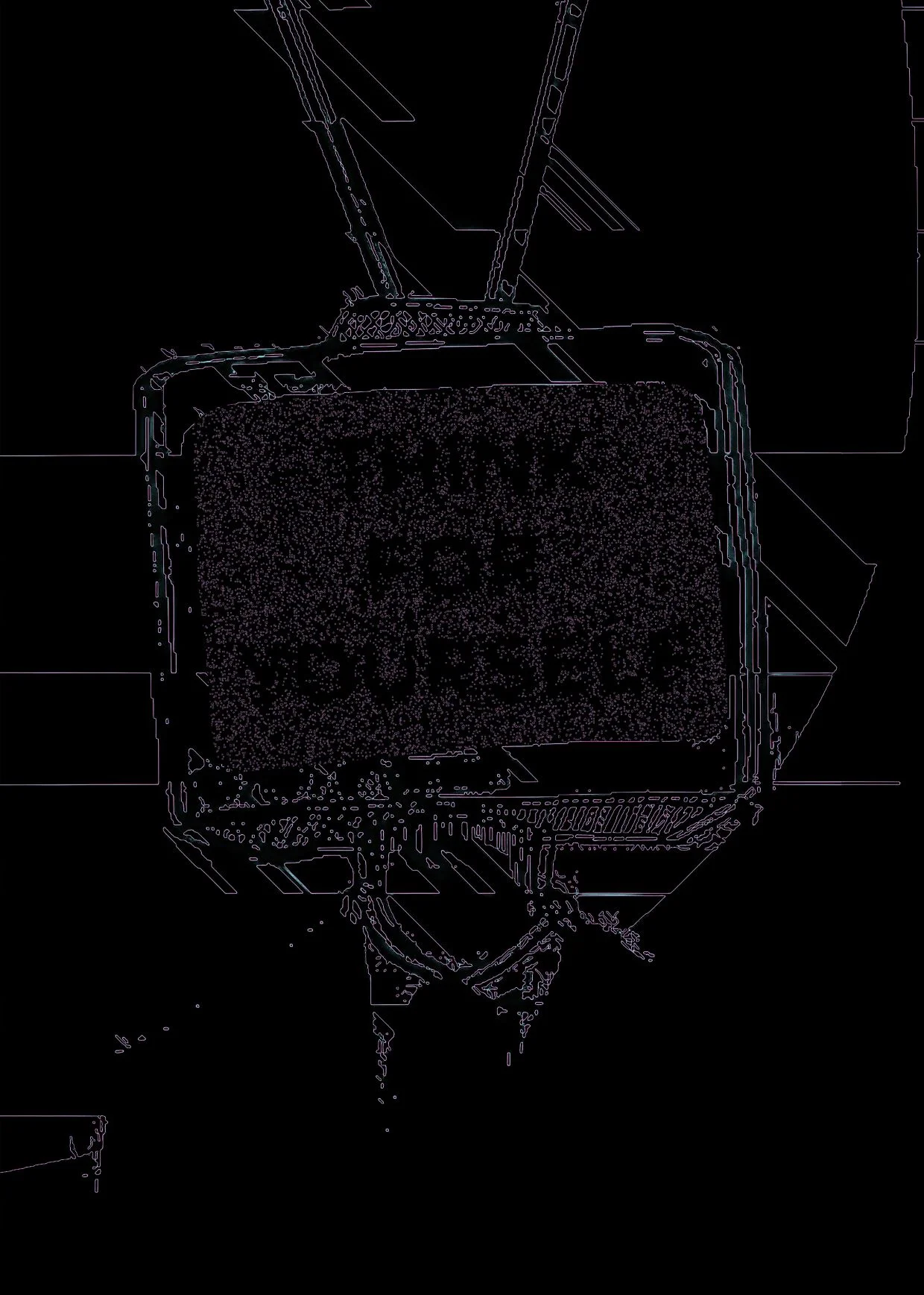
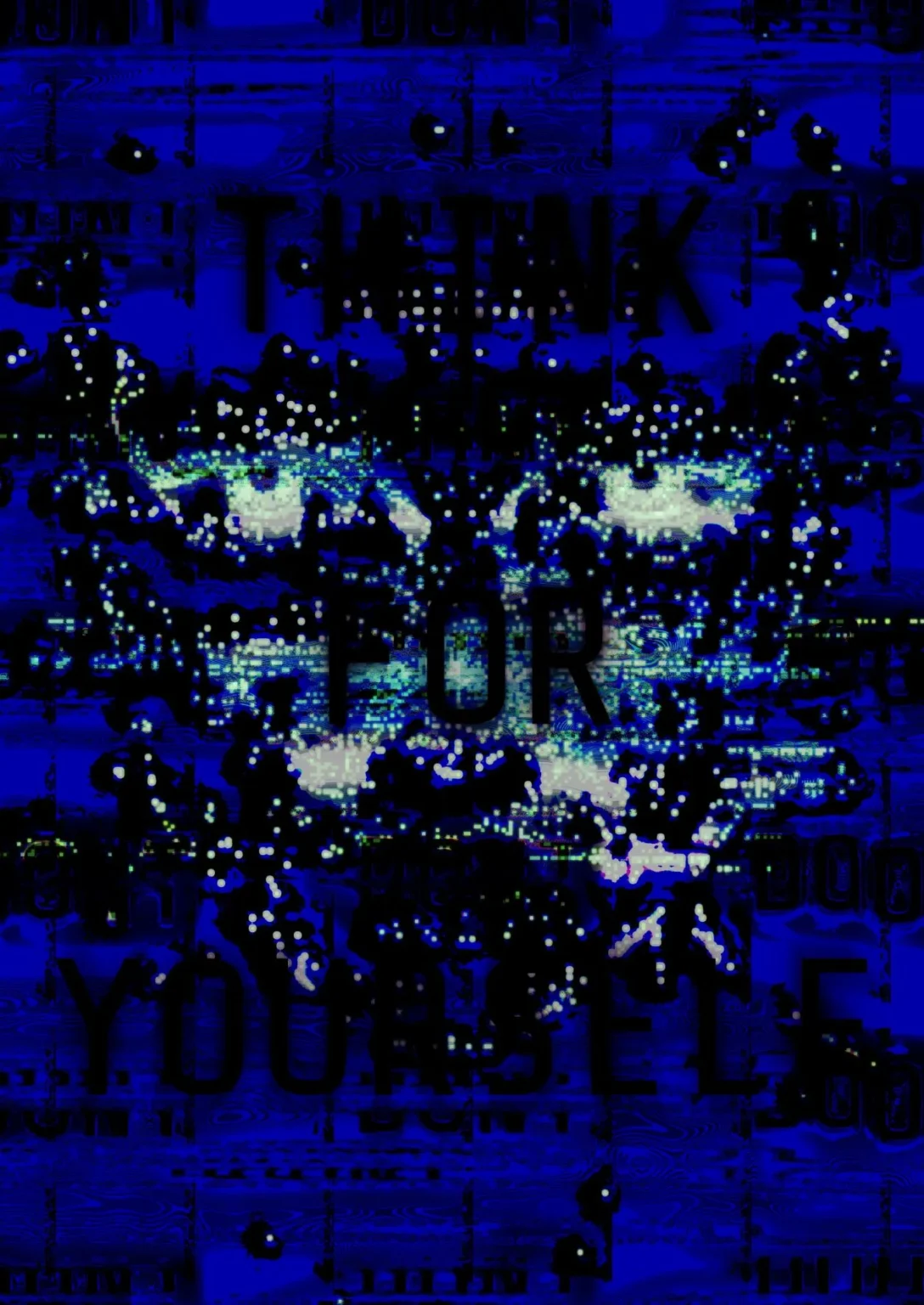
This section shows a series of visual experiments based on the selected topic. Different poster variations were created to explore typography, composition, and overall impact. These tests helped refine the message and determine which visual direction communicated the concept most effectively.